

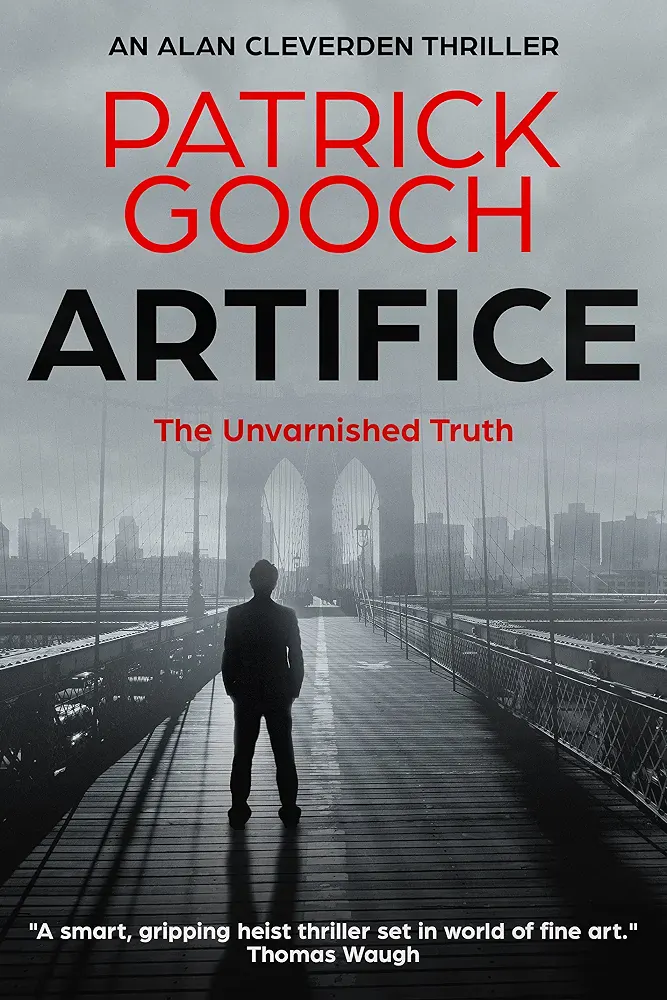
Case Study 01
ARTIFICE
Strengthening Discoverability for an Art and Heist Thriller
Author
Patrick Gooch
Book
Artifice (The Art of Deception Book 1)
Genre
Crime Thriller / Art Mystery / Heist Fiction
Audience
Readers of crime, mysteries, art history and intelligent thrillers
Campaign Focus
- 01Book Marketing Audit
- 02Amazon Discoverability Strategy
- 03Keyword & Category Research
- 04Book Positioning
Overview
Artifice combines a dangerous art-world conspiracy, stolen masterpieces and a high-stakes heist. The campaign focused on helping the book reach readers most likely to connect with its distinctive mix of art and thriller fiction.
The Challenge
A Distinctive Thriller Needed a Clearer Place in the Market
Artifice had something that many thrillers don't: a strong connection to the world of fine art and art history. But that crossover appeal also created a positioning challenge.
Genre Positioning
The book needed to appeal to thriller readers while communicating its distinctive art-world angle.
Reader Discoverability
Potential readers could be searching through different paths, including crime fiction, mysteries, heist stories and art-related fiction.
Competitive Marketplace
The book needed a clearer way to stand out among a large number of crime and thriller titles.
Series Foundation
As the first book in The Art of Deception series, establishing a strong discovery foundation was important for future reader growth.
The Approach
Connecting the Story With the Readers Looking for It
We started by looking closely at what makes Artifice different and where its most relevant readers were likely to discover new books.
Book Marketing Audit
We reviewed the book's existing market presence and identified opportunities to strengthen its discoverability and reader positioning.
Amazon Discoverability Strategy
The campaign focused on creating clearer pathways for readers interested in crime, mystery and thriller fiction to encounter the book.
Keyword & Category Research
Relevant search and category opportunities were explored around the book's strongest themes, including art, deception, crime and heist fiction.
Book Positioning
The strategy placed greater emphasis on Artifice as a crossover thriller, combining the tension of a crime novel with the intrigue of the art world.
The goal was simple: make the book's unique appeal clearer to the people most likely to enjoy it.
Results
A More Focused Foundation for Reader Discovery
The campaign gave Artifice a clearer marketing direction built around its strongest themes and most relevant audience.
Clearer Market Positioning
The book's art-thriller identity was given a more defined place within the wider crime and mystery market.
Improved Discoverability Opportunities
A more focused keyword and category strategy created additional pathways for relevant readers to find the book.
Stronger Reader Targeting
The marketing direction moved beyond a general thriller audience to focus on readers with a natural interest in art, mysteries and heist fiction.
A Stronger Series Foundation
The strategy helped establish a clearer starting point for introducing new readers to The Art of Deception series.
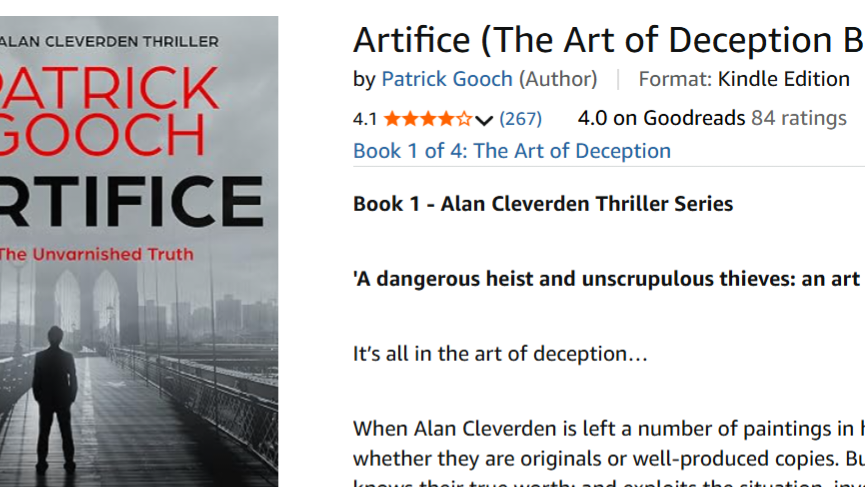
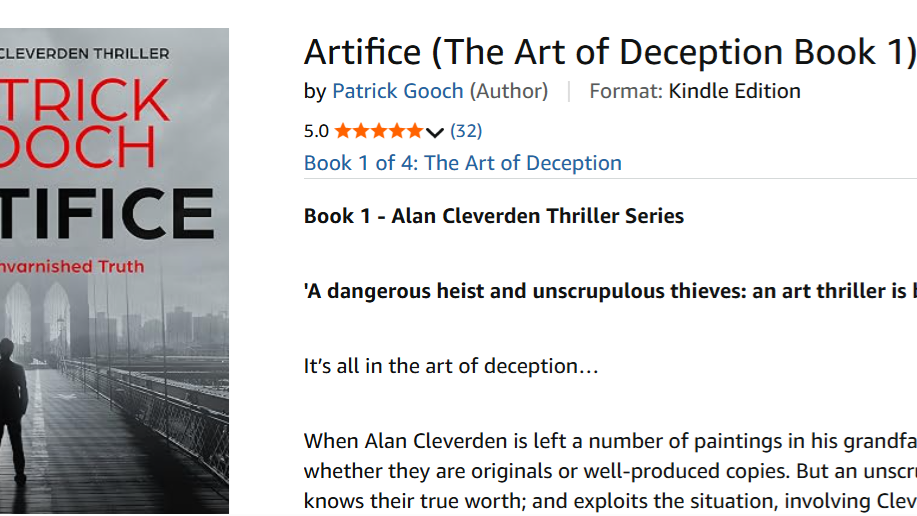
Before / After
See the Difference
Drag the gold divider or use the arrow keys to compare the campaign presentation.
Conclusion
Sometimes the Difference Is the Advantage
Artifice doesn't need to compete by being another generic thriller. Its connection to the art world gives it a distinctive hook and a specific audience to reach.
The campaign focused on turning that distinction into a clearer path to discovery through stronger positioning, targeted keywords and relevant category opportunities.
Key Takeaway
“The strongest marketing angle is often already inside the story. The job is making sure the right readers can see it.”
Helping books find their audience by building strategies around what makes them worth discovering.